
Believe it or not, producing video content doesn’t always mean you have to throw money at professional videographers. A well-planned DIY approach can drive real reach, engagement, and conversions without a production crew or a dedicated studio.
What separates a video that performs from a video that gets ignored is clarity, consistency, and a strategy that matches your content to where your audience actually is.
You’re in the right place if low-budget video production marketing is a part of your strategy. Here are our DIY video marketing tips.
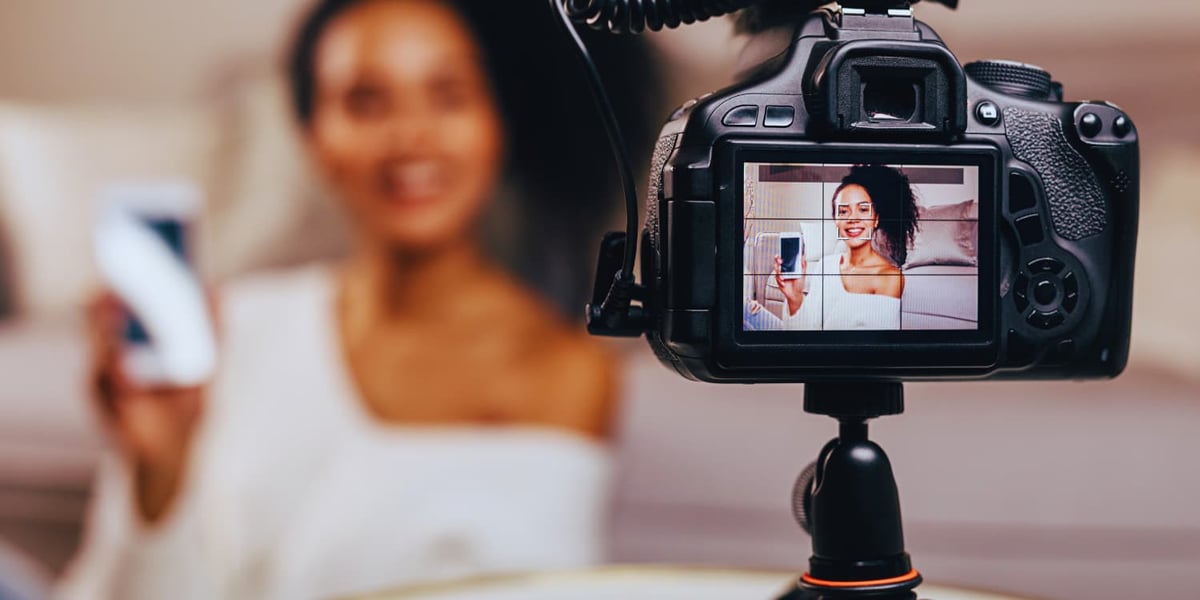
 Why DIY Video Works in 2026
In-house video production has been gaining traction for years, and the data now clearly reflect it. 71% of companies now handle video production internally.
We can put this down to improvements in tools and the quick adaptation of platforms. Most importantly, audience expectations have shifted in ways that actually favor DIY creators.
Authenticity Converts
Audiences have developed a sharp eye for content that feels manufactured. In fact, industry research found that only 22% of viewers prefer polished, high-quality video over content that feels relatable and genuine.
Speed and Scalability
DIY video removes the production bottleneck that can kill most content calendars.
When your team controls the process, you can respond to a trending topic, test a new format, or turn around a campaign asset in days instead of weeks. The resulting consistency compounds, and brands that publish video regularly outperform those waiting for the perfect shot.
 Essential Equipment Without Overspending
You don’t need to spend thousands to produce a video that looks and sounds professional. The right baseline setup costs a fraction of traditional production, and most of it fits in a bag.
Camera
Your smartphone is a legitimate production tool. Current flagship models shoot in 4K, handle low light reasonably well, and pair with free stabilization apps that remove jitter from handheld footage. A $20-$40 tripod solves the rest.
Lighting
Natural light from a window remains the easiest upgrade available to any DIY setup. If you’re filming indoors without good natural light, a basic ring light or a two-panel LED kit in the $50-$80 range does the trick.
Audio
Audio quality affects perceived professionalism more than picture quality does. A lavalier mic in the $25 to $40 range, clipped close to the speaker, eliminates most room noise and echo that built-in phone microphones pick up.
 Planning Your Content
There’s a difference between an effective video content strategy in 2026 and collecting reels. Filming without a plan produces footage, not content.
Before you hit record, be clear on what your video is supposed to do and where it fits in your broader content strategy.
Scripting vs Outlining
Full scripts work well for short, precise videos like product explainers or paid ads, where every word carries weight.
For most other formats, such as thought leadership, how-tos, and social content, a tight outline performs better. An outline keeps delivery natural while preventing the rambling that inflates run time and kills retention.
Aim for three to five bullet points covering your opening hook, core points, and CTA.
Tailor Your Video Content to the Funnel Stage
Different stages of the buyer journey call for different video formats.
Top-of-funnel content should educate and build awareness: short social clips, quick tips, and industry takes work well here. However, mid-funnel content builds trust through explainers, case studies, and comparison videos.
Bottom-of-funnel video should be direct. By “bottom-of-funnel,” we mean:
- Demos
- Testimonials
- Specific use-case walkthroughs
- Any content that gives a near-ready buyer the final nudge
 Filming Best Practices
Good footage comes down to a handful of repeatable habits. None of them requires expensive gear.
- Framing: Instead of always keeping your subject dead center in every shot, you can position it using the rule of thirds. While you’re at it, keep the background clean since visual noise behind your subject can distract your viewers.
- Sound check: Record a 10-second test clip and listen back before filming. Catching echo, wind, or background noise before the full take saves a reshoot.
- Opening hook: The first three seconds determine whether a viewer stays. Lead with the payoff, meaning state what the viewer will get from watching before explaining anything else.
- Pacing: Cut anything that doesn’t move the video forward, like pauses, filler phrases, and repeated points.
 Editing and Optimization
Once the video shoot is over, it’s time for the finishing touches.
Use Simple Editing Tools
CapCut handles most social video needs and runs on mobile or desktop at no cost. DaVinci Resolve offers more advanced capabilities and remains free for its core feature set.
If you’re already working in Canva, the built-in video editor covers basic cuts, transitions, and text overlays without switching platforms.
Captions
Captions are no longer optional. Wistia’s research shows that captions directly increase viewer engagement, and accessibility laws passed in 2025 (including the European Accessibility Act) now make them a compliance requirement in many markets.
Most editing platforms generate auto-captions from your audio track; review them for accuracy before publishing.
Know Your Platform Specs and Formats
Vertical video (9:16) performs best on Instagram Reels, TikTok, and YouTube Shorts. Landscape (16:9) still leads on YouTube long-form and LinkedIn.
Uploading natively to each platform rather than cross-posting a single file gets you better reach.
 Distribution Strategy
Producing the video is only half the work. Where and how you distribute it determines whether the content reaches the right audience at the right stage of the funnel.
However, with a solid social media distribution plan, your single asset can be repurposed into consistent touchpoints across multiple channels.
Plan Your Content Based on Where It Will Appear
Short-form video under 60 seconds works best for awareness-stage content on Instagram, TikTok, and YouTube Shorts. LinkedIn rewards educational and thought-leadership videos, particularly for B2B audiences.
Don’t sleep on your website and email sequences. Your product pages and thank-you pages generate some of the highest video engagement rates of any placement.
Repurposing Across Channels
A single five-minute educational video can generate a 60-second social cut, a transcript-based blog post, a quote graphic for LinkedIn, and a short email teaser.
When repurposing is built into your video content strategy for 2026, your production workflow multiplies the return on every video, so you won’t always have to reshoot.
 Clarity Crushes Cash-Heavy Video Content Any Day
DIY video works when you’re clear on what a video is supposed to do and where your content fits into your overall marketing strategy.
We help brands build scalable video strategies, from DIY production to full-funnel distribution.
Contact us for a free consultation, and let’s turn your content into consistent performance.
Written By: David Carpenter