
When did you last check your CRM?
Contacts are sitting in the pipeline right now who filled out a form months ago and never heard from you again.
No, they didn’t lose interest on their own. Rather, nobody followed up, and by the time someone checked the list, they’d already signed with a competitor.
What if you could set it and forget it? Lead nurturing automation is how you do just that.
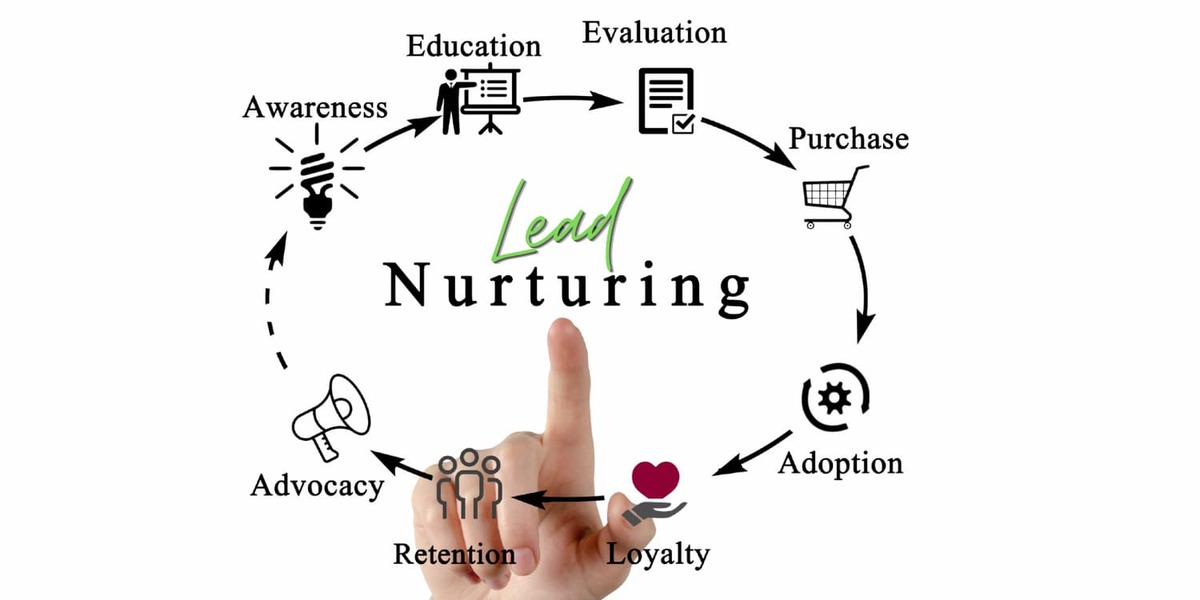
 What Lead Nurturing Automation Does (And Shouldn’t Do)
Did you know two-thirds of B2B buyers prefer a rep-free experience? That means your emails are doing relationship work a salesperson used to do in person.
That’s a lot to ask of a follow-up, and building it deliberately keeps the customer lifecycle from depending on one lucky send.
Just don’t automate tasks that require:
- Creativity (like writing copy)
- Judgment (like which offer is best for your audience)
- Assessment (you know your audience better than any robot can)
 1. Mapping How Your Buyers Actually Decide
Before you open a workflow builder, pull your last 20 or 30 closed deals and track what those people did in order, from the page they landed on to the day they signed.
Expect patterns to show up fast. Maybe everyone who converts reads the pricing page twice, or nobody buys without talking to a peer first.
Those moments are where your funnel quietly leaks if nothing catches people.
 2. Sort Your Leads Before You Write a Single Email
A student pricing out software for a class project and a VP with budget approval should never get the same email. Unfortunately, that’s what happens when everyone lands in one big list.
Segmentation splits your contacts based on what changes their needs, like:
- Company size
- Role
- How engaged they’ve been lately
Three or four segments is plenty to start. Because your CRM already holds this, you’re organizing what you have rather than collecting something new.
 3. Set the Triggers That Start, Pause, and Stop Each Flow
Triggers decide who enters a sequence and when they leave.
Entry is easy, since a form fill or demo request is an obvious starting point.
The exits are where most builds fall apart.
A reply, a booked call, a purchase, or a stretch of silence all mean the sequence should change or stop. After all, who wants nurture emails about a product they bought last Tuesday?
Behavior is the trigger here, which is why you send on signals instead of schedules.
 4. Match Your Content to Where the Lead Is
You need content for every part of the customer journey your prospect will be in.
Awareness Content That Earns Attention
Early on, someone is trying to name their problem, not shop for a fix. An explainer that makes the situation clearer is an excellent place to start.
Lead with an offer early, and you’ll come off pushy.
Consideration Content That Answers the Real Objection
After a while, a customer will be weighing you against two or three others. Case studies and specific numbers do the work, and other middle-funnel content can help you stand out.
Decision Content That Removes the Last Doubt
The last stage is where leads are ready to decide. Nudge them to your CTA button with:
- Demos
- Trials
- Testimonials
 5. Score Your Leads So Sales Knows When To Call
Lead scoring is a handoff rule in disguise. With predictive scoring, points go on the signals that separate a browser from a buyer, so a pricing page visit counts for more than a blog read, and a director outranks an intern.
Set your threshold, then watch what happens. If sales says the leads are cold, your bar is too low, and if reps run out of leads, it’s too high.
 6. Test What You Built, Then Keep Testing
Your first version of your lead nurturing automation will be wrong somewhere. That’s fine as long as you find out where.
Watch open rates for subject line problems, click rates for offer problems, and reply rates for tone problems. Change one thing at a time, so you know what moved the number. Then follow it through to revenue because a sequence with strong open rates and no pipeline is one nobody can defend at budget time.
 7. Choose a Platform for Your Marketing Automation Strategy
There are many options off the top of our heads if you need a reco, but you can’t go wrong with these platforms:
- HubSpot: A visual workflow builder on the CRM, which suits teams that want marketing and sales reading the same record
- Adobe Marketo Engage: Deep segmentation and account-based logic for enterprise B2B, with the overhead that comes with it
- ActiveCampaign: Strong automation at a lower price, which works for smaller teams running email-first programs
Whichever you pick has to talk to the rest of your marketing stack.
 Mistakes That Sink Otherwise Solid Automated Email Sequences
Avoid the following, and your marketing automation strategy will work:
- Ignoring deliverability rules: Marketing mail needs one-click unsubscribe and a spam complaint rate under 0.30%, or Google filters you out.
- Building no exit ramps: A sequence that keeps sending after someone converts turns a new customer into an annoyed one.
- Sending on a calendar: Emails timed to your schedule, not their behavior, arrive when nobody asks for them.
- Stopping at awareness: Plenty of programs nurture people right up to the decision, then stop there.
 Your Pipeline Stays Warm When the Follow-Up Does
Leads going quiet usually means you need to up your follow-up game. You can do it yourself or with our help. We design and build lead nurturing systems that keep your pipeline warm without adding headcount.
Schedule a free consultation, and let’s map a marketing automation strategy to how your buyers actually decide.
Written By: David Carpenter